
571016

Carbon tetrachloride
anhydrous, ≥99.5%
Synonym(s):
Tetrachloromethane
Select a Size
About This Item
InChI
1S/CCl4/c2-1(3,4)5
InChI key
VZGDMQKNWNREIO-UHFFFAOYSA-N
SMILES string
ClC(Cl)(Cl)Cl
grade
anhydrous
vapor density
5.32 (vs air)
vapor pressure
143 mmHg ( 30 °C), 91 mmHg ( 20 °C)
assay
≥99.5%
refractive index
n20/D 1.460 (lit.)
bp
76-77 °C (lit.)
mp
−23 °C (lit.)
density
1.594 g/mL at 25 °C (lit.)
Looking for similar products? Visit Product Comparison Guide
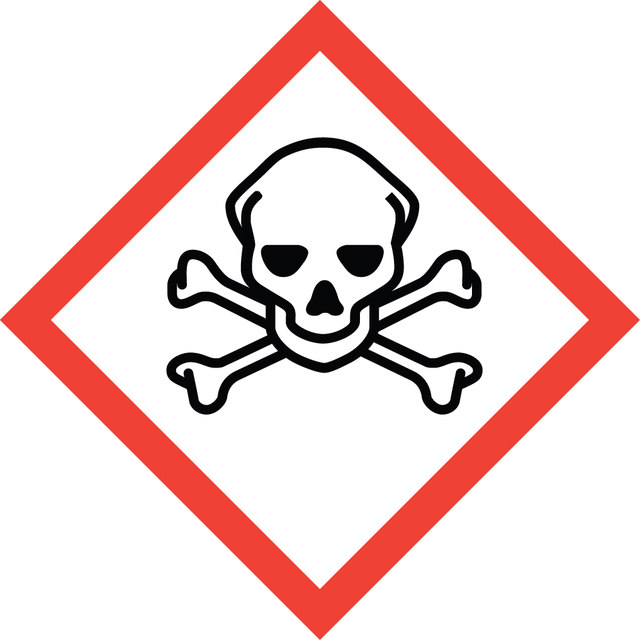
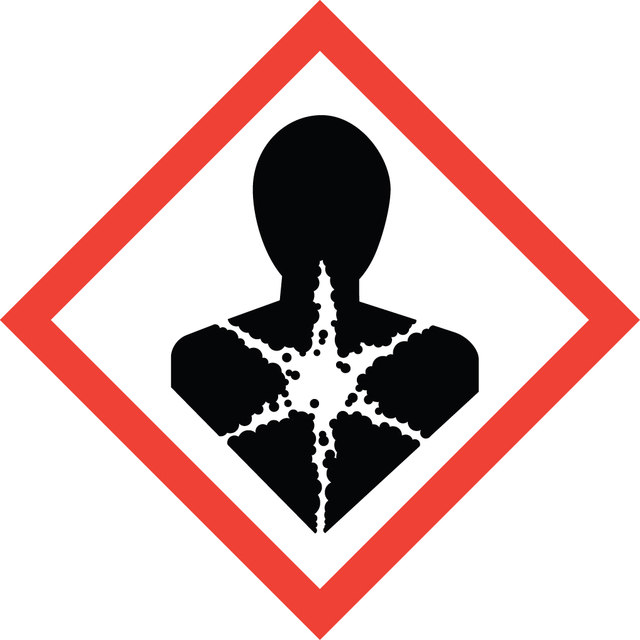
signalword
Danger
Hazard Classifications
Acute Tox. 3 Dermal - Acute Tox. 3 Inhalation - Acute Tox. 3 Oral - Aquatic Chronic 3 - Carc. 2 - Ozone 1 - Skin Sens. 1B - STOT RE 1 Inhalation
target_organs
Liver,Kidney
Storage Class
6.1A - Combustible acute toxic Cat. 1 and 2 / very toxic hazardous materials
wgk
WGK 3
flash_point_f
Not applicable
flash_point_c
Not applicable
Regulatory Information
Choose from one of the most recent versions:
Already Own This Product?
Find documentation for the products that you have recently purchased in the Document Library.
Our team of scientists has experience in all areas of research including Life Science, Material Science, Chemical Synthesis, Chromatography, Analytical and many others.
Contact Technical Service