Sign In to View Organizational & Contract Pricing
Select a Size
About This Item
Linear Formula:
ClCH2CH(OH)CH2OH
CAS Number:
Molecular Weight:
110.54
Beilstein:
2202929
MDL number:
UNSPSC Code:
12352101
PubChem Substance ID:
NACRES:
NA.22
Quality Level
Assay
97%
optical purity
ee: 97% (GLC)
refractive index
n20/D 1.480 (lit.)
bp
213 °C (lit.)
density
1.322 g/mL at 25 °C (lit.)
functional group
chloro
hydroxyl
SMILES string
OC[C@H](O)CCl
InChI
1S/C3H7ClO2/c4-1-3(6)2-5/h3,5-6H,1-2H2/t3-/m1/s1
InChI key
SSZWWUDQMAHNAQ-GSVOUGTGSA-N
Looking for similar products? Visit Product Comparison Guide
Related Categories
Legal Information
Manufactured under license by Sterling Pharma Solutions Limited, using Jacobsen HKR technology.
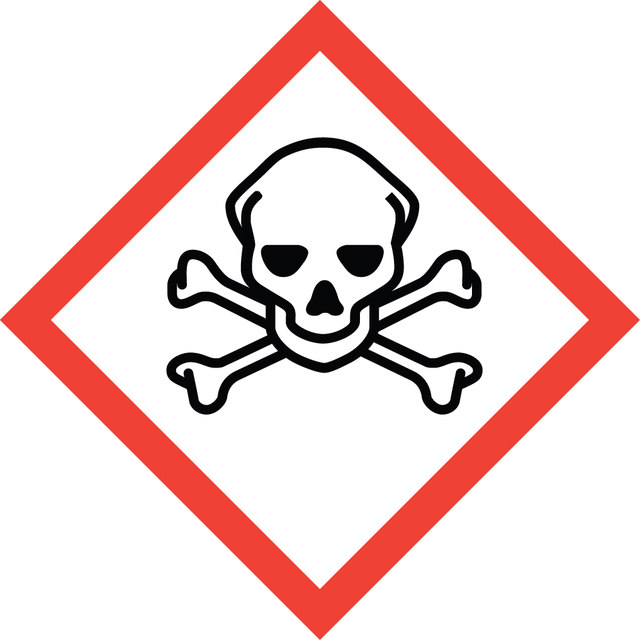
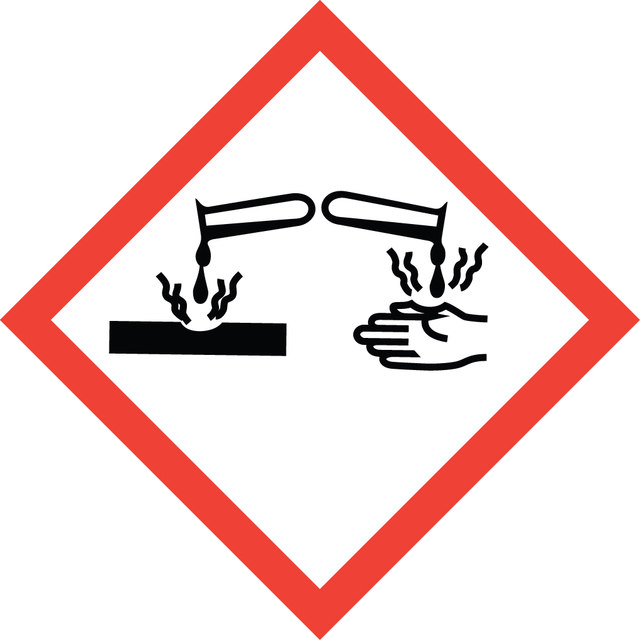
Signal Word
Danger
Hazard Statements
Precautionary Statements
Hazard Classifications
Acute Tox. 3 Oral - Acute Tox. 4 Dermal - Eye Dam. 1
Storage Class Code
6.1C - Combustible acute toxic Cat.3 / toxic compounds or compounds which causing chronic effects
WGK
WGK 3
Flash Point(F)
235.4 °F - closed cup
Flash Point(C)
113 °C - closed cup
Personal Protective Equipment
dust mask type N95 (US), Eyeshields, Gloves
Regulatory Information
危险化学品
This item has
Choose from one of the most recent versions:
Already Own This Product?
Find documentation for the products that you have recently purchased in the Document Library.
Jing Lu et al.
Food and chemical toxicology : an international journal published for the British Industrial Biological Research Association, 144, 111575-111575 (2020-07-24)
3-chloro-1, 2-propanediol (3-MCPD) is a well-known contaminant that was produced in the thermal processing of food. Dietary intake represents the greatest source of exposure to 3-MCPD. Autophagy is an important catabolic pathway that plays an important role in liver physiological
Brian D Craft et al.
Food additives & contaminants. Part A, Chemistry, analysis, control, exposure & risk assessment, 29(3), 354-361 (2011-12-16)
Recently, organic and inorganic chlorinated compounds were detected in crude and commercially refined palm oils. Further, the predominant formation mechanism of monochloropropanediol (MCPD) diesters at high temperatures (>170-180°C) was revealed. The present study involved the development and comparison of solutions
Hao Zhang et al.
Wei sheng yan jiu = Journal of hygiene research, 37(2), 133-136 (2008-07-01)
To study the effects of S-alpha-chlorohydrin on male ICR mice mating index, fertility index and the histopathologic changes of testis and epididymis. 64 sexually mature male ICR mice were randomly divided into four groups, each group contained 16 mice. At
Angus M Brown et al.
Journal of neurochemistry, 116(6), 996-1004 (2010-12-16)
We have previously shown that systemic administration of S(+)3-chloropropanediol (3-CPD) produces a morphological loss of astrocytes in specific nuclei of the rodent brain that precedes loss of both neurones and endothelial tight junctions. Here, we have evaluated the differential susceptibility
Shuwu Xie et al.
Reproductive biology and endocrinology : RB&E, 8, 37-37 (2010-04-23)
As one of the chlorinated antifertility compounds, alpha-chlorohydrin (ACH) can inhibit glyceraldehyde-3-phosphate dehydrogenase (G3PDH) activity in epididymal sperm and affect sperm energy metabolism, maturation and fertilization, eventually leading to male infertility. Further studies demonstrated that the inhibitory effect of ACH
Our team of scientists has experience in all areas of research including Life Science, Material Science, Chemical Synthesis, Chromatography, Analytical and many others.
Contact Technical Service