
52366

Hexadecyltrimethylammonium chloride
≥98.0% (NT)
Synonym(s):
Cetyltrimethylammonium chloride
Select a Size
About This Item
InChI
1S/C19H42N.ClH/c1-5-6-7-8-9-10-11-12-13-14-15-16-17-18-19-20(2,3)4;/h5-19H2,1-4H3;1H/q+1;/p-1
InChI key
WOWHHFRSBJGXCM-UHFFFAOYSA-M
SMILES string
[Cl-].CCCCCCCCCCCCCCCC[N+](C)(C)C
description
cationic
assay
≥98.0% (NT)
Quality Level
reaction suitability
core: ammonium
mp
232-237 °C
form
powder
mol wt
320.00 g/mol
Application
- For the preparation of Polymethylsilsesquioxane aerogels (PMSQ) from methyltrimethoxysilane (MTMS) by hydrolysis and polycondensation reaction.
- To determine iodine and iodide in commercial gargle products by luminol chemiluminescence.
- As a template along with cetyltrimethylammonium bromide (CTAB) to prepare rod-like mesoporous silica from sodium silicate as a precursor.
- As a catalyst in the synthesis of 2-amino-2-chromenes from aldehyde, malononitrile, and phenol by one-pot three-component reaction.
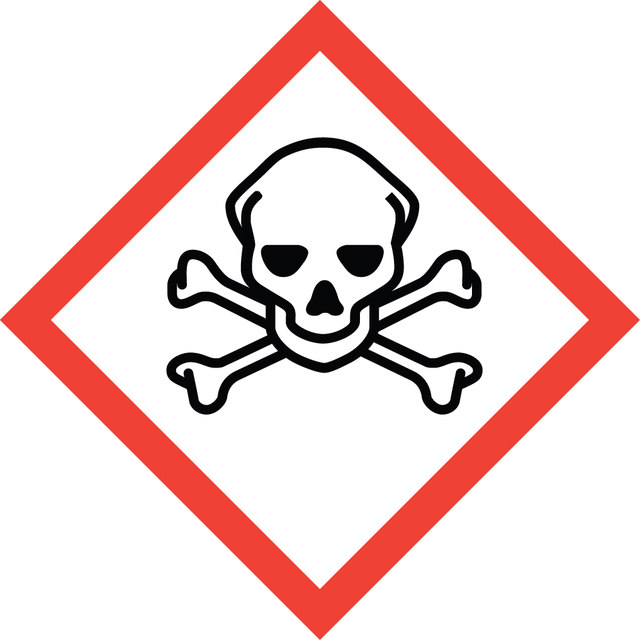
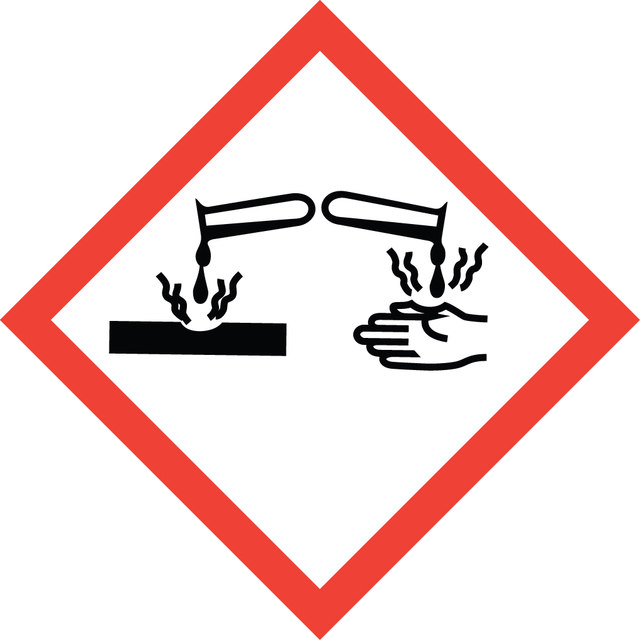

signalword
Danger
hcodes
Hazard Classifications
Acute Tox. 3 Dermal - Acute Tox. 4 Oral - Aquatic Acute 1 - Aquatic Chronic 1 - Skin Corr. 1C
Storage Class
6.1D - Non-combustible acute toxic Cat.3 / toxic hazardous materials or hazardous materials causing chronic effects
wgk
WGK 3
flash_point_f
Not applicable
flash_point_c
Not applicable
ppe
dust mask type N95 (US), Eyeshields, Gloves
Choose from one of the most recent versions:
Already Own This Product?
Find documentation for the products that you have recently purchased in the Document Library.
Our team of scientists has experience in all areas of research including Life Science, Material Science, Chemical Synthesis, Chromatography, Analytical and many others.
Contact Technical Service