
520101

Sodium tetrasulfide
≥90%
Sign In to View Organizational & Contract Pricing.
Select a Size
About This Item
Empirical Formula (Hill Notation):
Na2S4
CAS Number:
Molecular Weight:
174.24
EC Number:
234-805-5
assay
≥90%
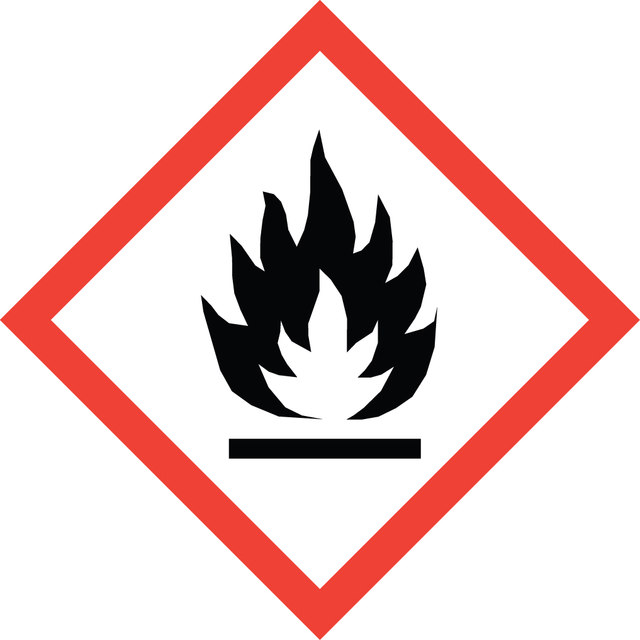

signalword
Danger
hcodes
Hazard Classifications
Flam. Sol. 2 - Skin Corr. 1B
Storage Class
4.1B - Flammable solid hazardous materials
wgk
WGK 3
flash_point_f
Not applicable
flash_point_c
Not applicable
ppe
Eyeshields, Faceshields, Gloves, type P3 (EN 143) respirator cartridges
Regulatory Information
新产品
This item has
Choose from one of the most recent versions:
Already Own This Product?
Find documentation for the products that you have recently purchased in the Document Library.
Yumi Abiko et al.
Chemical research in toxicology, 28(6), 1301-1306 (2015-04-16)
Bismethylmercury sulfide (MeHg)2S has been found to be a detoxified metabolite of methylmercury (MeHg) that is produced by SH-SY5Y cells and in livers of rats exposed to MeHg. (MeHg)2S could be formed through the interactions between MeHg and sulfur species
Daria Ezeriņa et al.
Cell chemical biology, 25(4), 447-459 (2018-02-13)
The cysteine prodrug N-acetyl cysteine (NAC) is widely used as a pharmacological antioxidant and cytoprotectant. It has been reported to lower endogenous oxidant levels and to protect cells against a wide range of pro-oxidative insults. As NAC itself is a
Shin Koike et al.
Biochemical and biophysical research communications, 459(3), 488-492 (2015-03-10)
Polysulfides are a typical type of bound sulfur, which is physiologically stable form of sulfur species, derived from the hydrogen sulfide (H2S) that is generated endogenously in cells. We previously reported that bound sulfur protects neuronal cells from oxidative injury.
Our team of scientists has experience in all areas of research including Life Science, Material Science, Chemical Synthesis, Chromatography, Analytical and many others.
Contact Technical Service