
517135

Diethyl carbonate

anhydrous, ≥99%
Synonym(s):
Diatol, Eufin, H-DEC
Select a Size
About This Item
grade
anhydrous
Quality Level
vapor density
4.1 (vs air)
vapor pressure
10 mmHg ( 23.8 °C), 59 mmHg ( 37.8 °C)
assay
≥99%
greener alternative product characteristics
Less Hazardous Chemical Syntheses
Safer Solvents and Auxiliaries
Design for Degradation
Learn more about the Principles of Green Chemistry.
sustainability
Greener Alternative Product
impurities
<0.002% water, <0.005% water (100 mL)
refractive index
n20/D 1.384 (lit.)
bp
126-128 °C (lit.)
mp
−43 °C (lit.)
solubility
water: insoluble
density
0.975 g/mL at 25 °C (lit.)
functional group
carbonate
greener alternative category
SMILES string
O=C(OCC)OCC
InChI
1S/C5H10O3/c1-3-7-5(6)8-4-2/h3-4H2,1-2H3
InChI key
OIFBSDVPJOWBCH-UHFFFAOYSA-N
General description
Application
- Synthesis of β-enamino esters.
- Synthesis of carbamates and unsymmetrical alkyl carbonates, via reaction with aliphatic amines or alcohols by using a hybrid organic-inorganic material prepared by anchoring TBD to MCM-41 silica.
- As solvent in ruthenium catalyzed direct functionalisation of arene C-H bonds by aryl halides.
- To compose the commercial liquid electrolyte for lithium ion batteries.
- Homogeneous alkoxycarbonylation of cellulose.
Features and Benefits
Still not finding the right product?
Explore all of our products under Diethyl carbonate
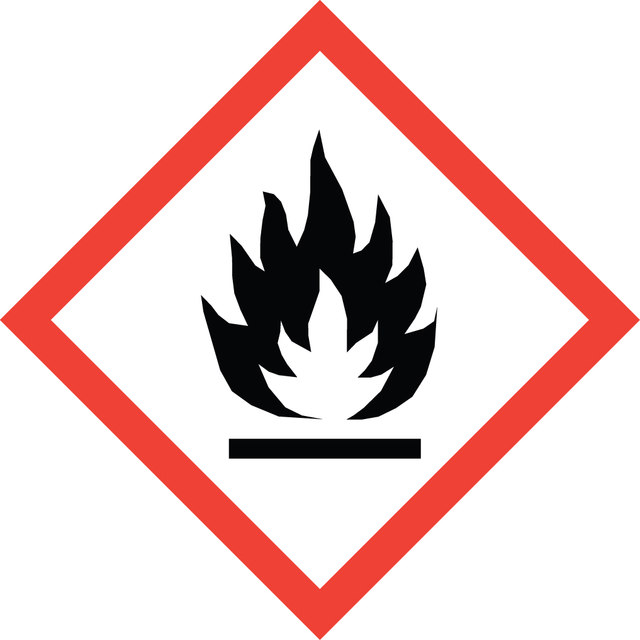
signalword
Warning
hcodes
Hazard Classifications
Flam. Liq. 3
Storage Class
3 - Flammable liquids
wgk
WGK 1
flash_point_f
77.0 °F - closed cup
flash_point_c
25 °C - closed cup
ppe
Eyeshields, Faceshields, Gloves, type ABEK (EN14387) respirator filter
Regulatory Information
This item has
Choose from one of the most recent versions:
Already Own This Product?
Find documentation for the products that you have recently purchased in the Document Library.
Articles
Solid-state lithium fast-ion conductors are crucial for safer, high-energy-density all-solid-state batteries, addressing conventional battery limitations.
Solid oxide fuel cells and electrolyzers show potential for chemical-to-electrical energy conversion, despite early development stages.
Ionic liquid electrolytes explored for rechargeable batteries' advancement; future IL development discussed.
Related Content
Green chemicals evaluation aligns with the 12 Principles of Green Chemistry, emphasizing resource efficiency and hazard reduction.
Global Trade Item Number
| SKU | GTIN |
|---|---|
| 517135-100ML | 04061832541556 |
| 517135-1L | 04061832541563 |