
471836

1-Octanethiol
≥98.5%
Synonym(s):
n-Octyl mercaptan, Mercaptan C8, Octyl mercaptan
Select a Size
About This Item
InChI key
KZCOBXFFBQJQHH-UHFFFAOYSA-N
InChI
1S/C8H18S/c1-2-3-4-5-6-7-8-9/h9H,2-8H2,1H3
SMILES string
CCCCCCCCS
assay
≥98.5%
refractive index
n20/D 1.452 (lit.)
bp
197-200 °C (lit.)
density
0.843 g/mL at 25 °C (lit.)
Quality Level
Looking for similar products? Visit Product Comparison Guide
Related Categories
General description
The alkyl chain provides a balance of sufficient hydrophobic shielding to protect underlying circuits from moisture while remaining thin enough to allow for efficient tunneling-based electron transport, a key requirement for molecular electronics.
Due to its low vapor pressure and precise chemical structure, this grade is preferred for cleanroom processes involving vacuum deposition or liquid-phase assembly on micro-electrode arrays. Its ability to create reproducible, uniform molecular layers makes it a standard for fine-tuning surface wetting and adhesion properties in nanofabrication.
Refined to a ≥ 98.5% high-purity specification, this grade ensures the elimination of trace impurities that could lead to lattice defects in the SAM, providing the consistency necessary for high-performance biosensors and nanoelectronic components.
Application
Nanoelectronic Electrode Engineering: Extensively used to improve charge injection in Thin-Film Transistors (TFTs). By forming a Self-Assembled Monolayer (SAM) on gold source-drain electrodes, it tunes the metal work function and reduces contact resistance, which is critical for bottom-contact device architectures.
Single-Molecule Electronics: Serves as a benchmark molecule for studying electron transport at the nanometer scale. It is utilized to construct single-molecule switches and transistors where conductance can be mechanically or electrically gated.
Precision Biosensing Platforms: Functions as a stabilizing and orienting interphase on gold surfaces for enzyme immobilization (e.g., glucose oxidase). Its hydrophobic chain facilitates the creation of robust "enzyme electrodes" used in point-of-care medical diagnostics.
Quantum Dot & Photovoltaic Enhancement: Acts as a sulfur precursor and ligand for CdSe/CdS quantum dots, improving the power efficiency of nanorod-sensitized solar cells by enhancing electron extraction at the interface.
Nanomaterial Surface Passivation: Used to stabilize copper and gold nanoparticles in colloidal dispersions, preventing oxidation and allowing for their integration into printable conductive inks and optical sensors.
Legal Information

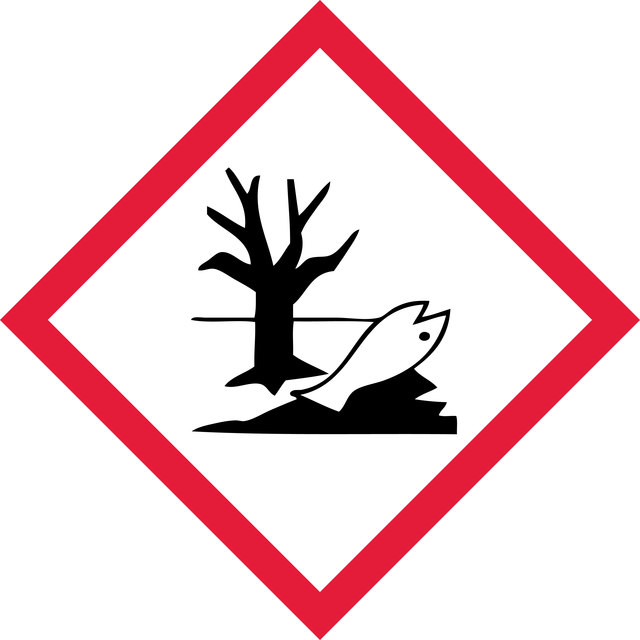
signalword
Warning
hcodes
Hazard Classifications
Aquatic Acute 1 - Aquatic Chronic 1 - Skin Sens. 1 - STOT SE 3
target_organs
Respiratory system
Storage Class
10 - Combustible liquids
wgk
WGK 3
flash_point_f
154.4 °F - closed cup
flash_point_c
68 °C - closed cup
ppe
Eyeshields, Faceshields, Gloves, type ABEK (EN14387) respirator filter
Regulatory Information
Choose from one of the most recent versions:
Already Own This Product?
Find documentation for the products that you have recently purchased in the Document Library.
Articles
Self-assembled monolayers (SAMs) have diverse applications; article compares benefits of alkylthiolates on gold SAM systems.
Explore self-assembled monolayers for advanced surface engineering in electronics, biomedicine, and nanocomposites.
Related Content
Our team of scientists has experience in all areas of research including Life Science, Material Science, Chemical Synthesis, Chromatography, Analytical and many others.
Contact Technical Service