463728

Manganese
powder, ≥99.9% trace metals basis
Synonym(s):
Colloidal manganese, Manganese element, Manganese-55
Sign In to View Organizational & Contract Pricing.
Select a Size
Change View
About This Item
Empirical Formula (Hill Notation):
Mn
CAS Number:
Molecular Weight:
54.94
NACRES:
NA.23
PubChem Substance ID:
UNSPSC Code:
12141724
EC Number:
231-105-1
MDL number:
Quality Segment
assay
≥99.9% trace metals basis
form
powder
reaction suitability
core: manganese
resistivity
185 μΩ-cm, 20°C
bp
1962 °C (lit.)
mp
1244 °C (lit.)
density
7.3 g/mL at 25 °C (lit.)
SMILES string
[Mn]
InChI
1S/Mn
InChI key
PWHULOQIROXLJO-UHFFFAOYSA-N
General description
Manganese powder is a free-flowing, brown to black powder with a high melting point (1244 °C) and exceptional resistance to corrosion and abrasion. Our high-purity manganese powder (≥99.9%) is a reliable and valuable material for various industrial and academic applications. The ability of manganese to exist in multiple oxidation states allows it to act as a redox mediator, facilitating electron transfer between reactants and products. This makes it an effective catalyst in a wide range of chemical reactions, including the oxidation of alcohols and the removal of pollutants from industrial emissions.
Application
Manganese powder is a cost effective alloying element with a high hardenability. It is majorly used in powder metallurgy applications such as:
- a starting material for the preparation of manganese oxide for lithium ion batteries
- a material used in surface alloying
- sintering of steel to form manganese steel
Features and Benefits
Our 99.9% pure manganese powder is useful in powder metallurgical and chemical industries where purity matters most.
✔ Consistent quality
✔ High purity
✔ Available to scale up: bulk and pilot scale
✔ Consistent quality
✔ High purity
✔ Available to scale up: bulk and pilot scale
Still not finding the right product?
Explore all of our products under Manganese
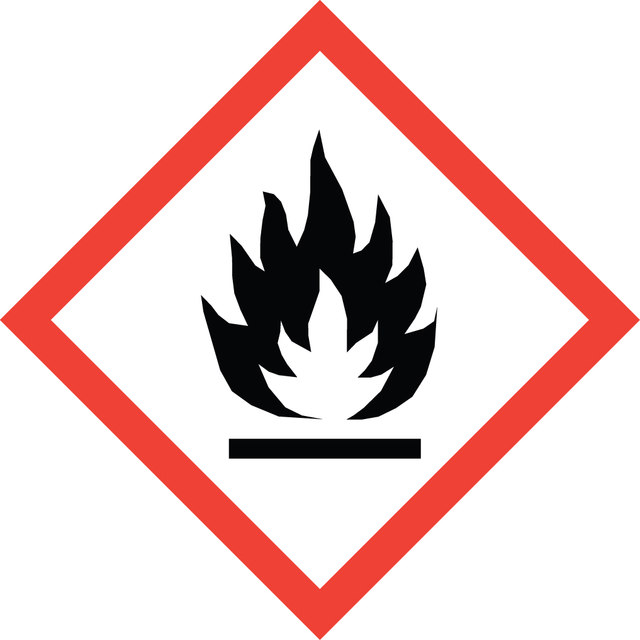
Signal Word
Danger
Hazard Codes
Precautionary Statements
Storage Class
4.3 - Hazardous materials which set free flammable gases upon contact with water
Flash Point (°F)
Not applicable
Flash Point (°C)
Not applicable
PPE (personal protective equipment)
Eyeshields, Gloves, type P3 (EN 143) respirator cartridges
Hazard Classifications
Water-react. 1
Choose from one of the most recent versions:
Already Own This Product?
Find documentation for the products that you have recently purchased in the Document Library.