
379883

Nickel(II) acetate tetrahydrate
99.995% trace metals basis
Synonym(s):
Acetic acid nickel(II) salt
Select a Size
About This Item
assay
99.995% trace metals basis
form
powder, crystals or chunks
reaction suitability
core: nickel
density
1.798 g/mL at 25 °C (lit.)
SMILES string
[H]O[H].[H]O[H].[H]O[H].[H]O[H].CC(=O)O[Ni]OC(C)=O
InChI
1S/2C2H4O2.Ni.4H2O/c2*1-2(3)4;;;;;/h2*1H3,(H,3,4);;4*1H2/q;;+2;;;;/p-2
InChI key
OINIXPNQKAZCRL-UHFFFAOYSA-L
General description
Application
- To form a Ni(II) Schiff base complex on magnetic nanoparticles, which serves as a nanocatalyst for producing 3,4-dihydropyrimidine-2(1H)-ones through a solvent-free Biginelli reaction.
- Precursor to prepare a nickel-containing solution for decorating CeO₂ nanostructures, resulting in NiO/CeO₂ nanocomposites
- In the electrospinning synthesis of Ni-decorated carbon nanofibers (Ni-CNFs), for potential applications in magnetic devices, microwave absorbers, supercapacitors, and batteries.
Features and Benefits
- Nickel(II) acetate tetrahydrate, 99.995% purity is vital for solar cell performance, as impurities can harm carrier recombination, charge transport, and overall device stability.
- Analyzing 32 elements at ppm levels, particularly heavy metals like lead, cadmium, and arsenic, ensures optimal performance.
Still not finding the right product?
Explore all of our products under Nickel(II) acetate tetrahydrate
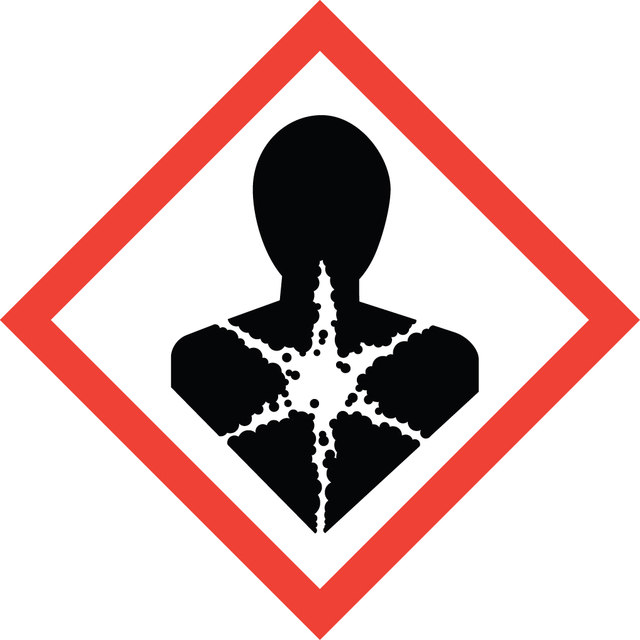

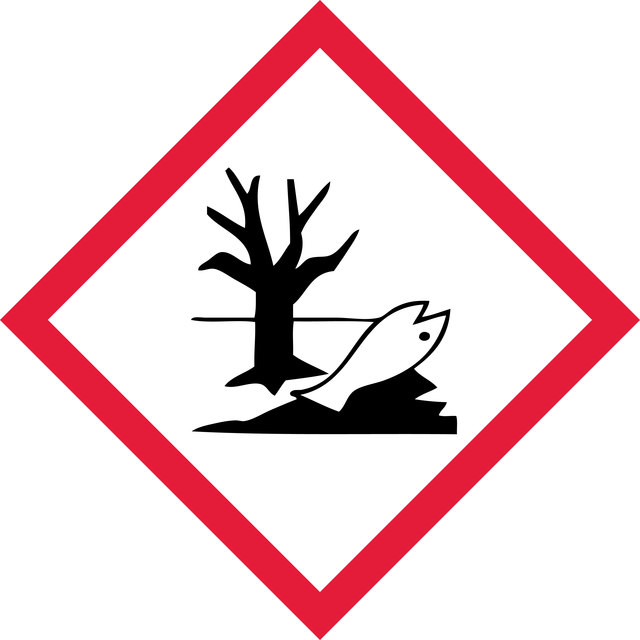
signalword
Danger
Hazard Classifications
Acute Tox. 4 Inhalation - Acute Tox. 4 Oral - Aquatic Acute 1 - Aquatic Chronic 1 - Carc. 1A - Muta. 2 - Repr. 1B - Resp. Sens. 1 - Skin Sens. 1 - STOT RE 1
Storage Class
6.1C - Combustible acute toxic Cat.3 / toxic compounds or compounds which causing chronic effects
wgk
WGK 3
flash_point_f
Not applicable
flash_point_c
Not applicable
ppe
Eyeshields, Faceshields, Gloves, type P3 (EN 143) respirator cartridges
Choose from one of the most recent versions:
Already Own This Product?
Find documentation for the products that you have recently purchased in the Document Library.
Articles
From Form to Function: Molding Porous Materials in Three Dimensions by Colloidal Crystal Templating
Ultrasonic spray pyrolysis produces scalable nanomaterials like metal oxides and quantum dots for diverse applications.
Global Trade Item Number
| SKU | GTIN |
|---|---|
| 379883-50G | 04061831959628 |
| 379883-10G | 04061831959604 |