Sign In to View Organizational & Contract Pricing.
Select a Size
About This Item
Linear Formula:
(CH3)3SnCl
CAS Number:
Molecular Weight:
199.27
UNSPSC Code:
12352103
PubChem Substance ID:
NACRES:
NA.22
Beilstein/REAXYS Number:
3535111
MDL number:
Form:
liquid
Looking for similar products? Visit Product Comparison Guide
Related Categories
Packaging
The 25 mL Sure/Seal™ bottle is recommended as a single-use bottle. Repeated punctures will likely result in decreased performance of product.
Legal Information
Sure/Seal is a trademark of Sigma-Aldrich Co. LLC
signalword
Danger
Hazard Classifications
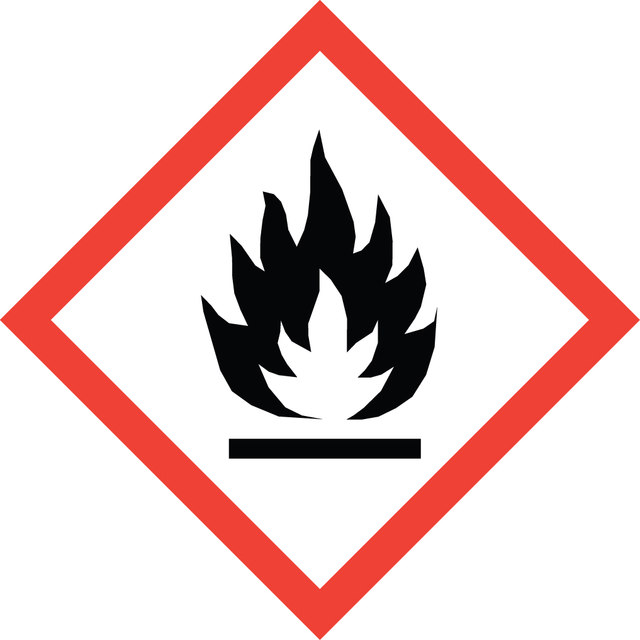
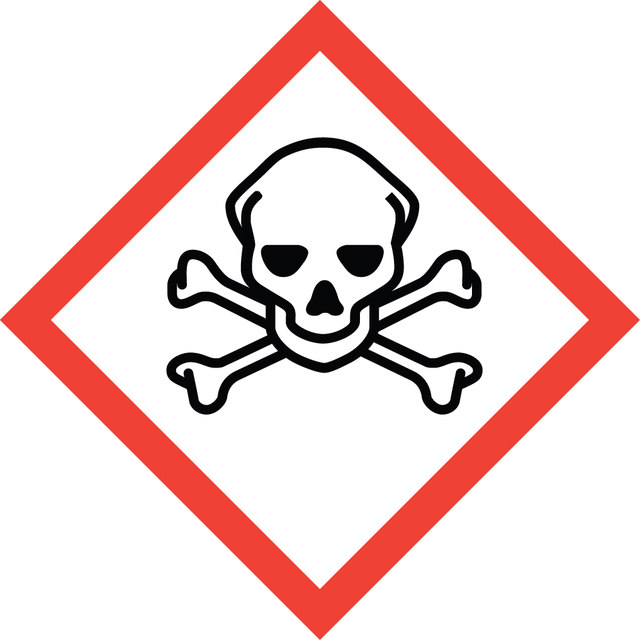
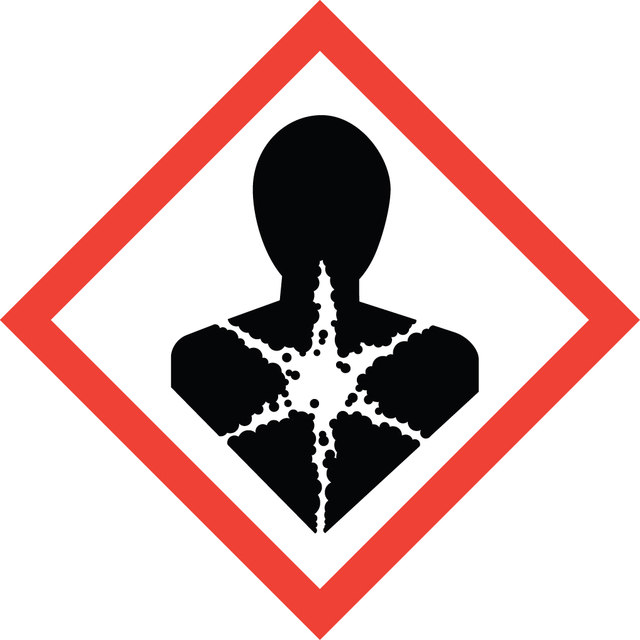
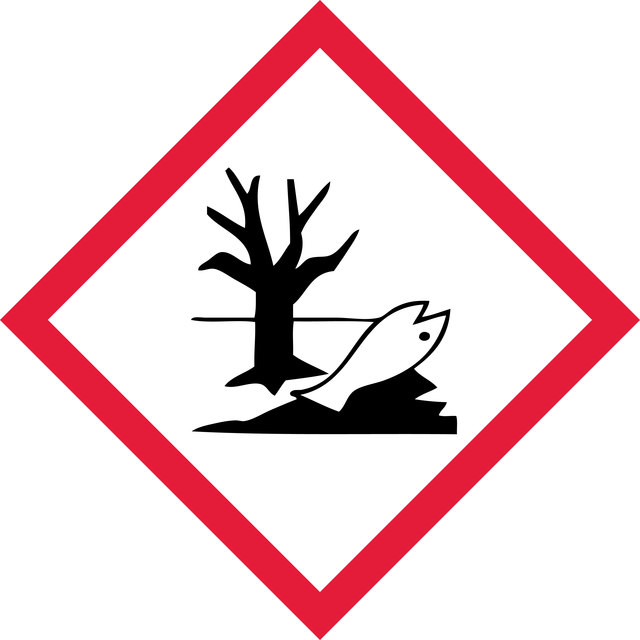
Acute Tox. 1 Dermal - Acute Tox. 2 Inhalation - Acute Tox. 2 Oral - Aquatic Chronic 2 - Carc. 2 - Eye Irrit. 2 - Flam. Liq. 2 - STOT SE 3
target_organs
Respiratory system
supp_hazards
Storage Class
3 - Flammable liquids
wgk
WGK 2
flash_point_f
1.4 °F - closed cup
flash_point_c
-17 °C - closed cup
ppe
Eyeshields, Faceshields, Gloves, type ABEK (EN14387) respirator filter
Regulatory Information
非剧毒-急性毒性1
危险化学品
This item has
Choose from one of the most recent versions:
Already Own This Product?
Find documentation for the products that you have recently purchased in the Document Library.
Xiaojiang Tang et al.
Toxicology, 271(1-2), 45-50 (2010-03-10)
Trimethyltin chloride (TMT), a byproduct of plastic stabilizers, has caused 67 poisoning accidents in the world; more than 98% (1814/1849) of the affected patients since 1998 have been in China. As a long-established toxic chemical, TMT severely affects the limbic
Kiyokazu Ogita et al.
Journal of neuroscience research, 82(5), 609-621 (2005-11-08)
The hippocampal dentate gyrus in adult animals is known to contain neural progenitors that proliferate and differentiate into neurons in response to brain injury. Little has been observed, however, on regeneration of the granule cell layer of the dentate gyrus
Haijie Yu et al.
Cell biology international, 34(1), 99-108 (2009-12-02)
TMT (trimethyltin chloride), an organotin, is ubiquitous in the environment. The consumption of contaminated food may cause exposure of the human diet to this toxic compound. The present study was to investigate the effects of TMT on the regulation of
Katharina Krüger et al.
British journal of pharmacology, 144(2), 283-292 (2005-01-19)
1. Organotin compounds such as trimethyltin chloride (TMT) are among the most toxic of the organometallics. As their main target for toxicity is the central nervous system, the aim of the present study was to investigate the effects of TMT
Guangshu Zhai et al.
Chemosphere, 72(3), 389-399 (2008-04-25)
The photodegradation of methyltins, as environmental pollutants, has scarcely been studied so far because of the shortage of rapid and sensitive speciation methods, even though they have very simple structures. The photodegradation of monomethyltin trichloride (MMT), dimethyltin dichloride (DMT) and
Our team of scientists has experience in all areas of research including Life Science, Material Science, Chemical Synthesis, Chromatography, Analytical and many others.
Contact Technical Service