
339121

Zirconium(IV) ethoxide
97%
Synonym(s):
Tetraethoxyzirconium, Zirconium ethoxide (Zr(OEt)4 ), Zirconium tetraethoxide
Select a Size
About This Item
InChI
1S/4C2H5O.Zr/c4*1-2-3;/h4*2H2,1H3;/q4*-1;+4
SMILES string
CCO[Zr](OCC)(OCC)OCC
InChI key
ASBGGHMVAMBCOR-UHFFFAOYSA-N
assay
97%
form
solid
reaction suitability
core: zirconium, reagent type: catalyst
bp
235 °C/5 mmHg (lit.)
Quality Level
General description
Application
- Zr(OEt)₄ can be used as a: Precursor in the sol-gel synthesis of PMMA/ZrO₂ hybrid. These films exhibit enhanced dielectric properties for flexible electronic applications.
- Precursor for the synthesis of Li₂ZrO₃ coatings on NCM622 particles.
- As a precursor in the synthesized of Zirconia nanoparticles (ZrO2NPs) by sol–gel reaction.
Features and Benefits
- The purity level (97%) influences the catalytic activity and selectivity, as higher purity typically leads to fewer side reactions and better control over synthesis of polymers.
- The purity and viscosity of the ethoxide can influence the uniformity and adhesion of the coatings, impacting their performance in various environments.
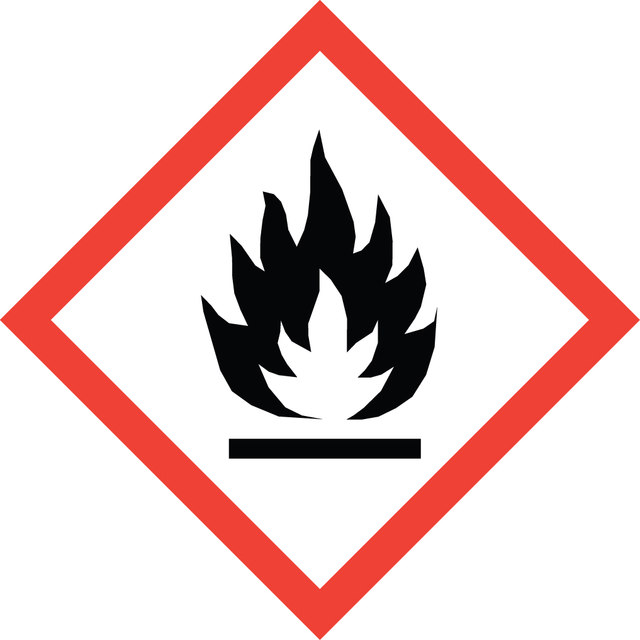
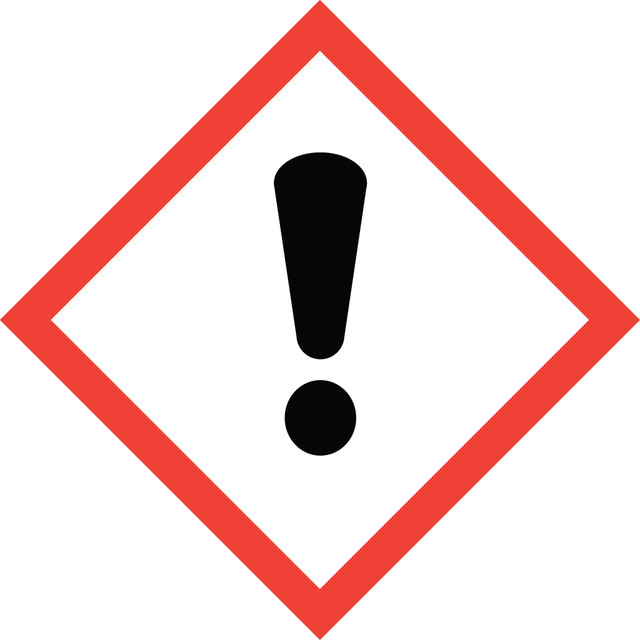
signalword
Danger
hcodes
Hazard Classifications
Eye Irrit. 2 - Flam. Sol. 1 - Skin Irrit. 2 - STOT SE 3
target_organs
Respiratory system
Storage Class
4.1B - Flammable solid hazardous materials
wgk
WGK 3
flash_point_f
Not applicable
flash_point_c
Not applicable
ppe
Eyeshields, Gloves, type P3 (EN 143) respirator cartridges
Choose from one of the most recent versions:
Already Own This Product?
Find documentation for the products that you have recently purchased in the Document Library.
Our team of scientists has experience in all areas of research including Life Science, Material Science, Chemical Synthesis, Chromatography, Analytical and many others.
Contact Technical Service