Skip to Content
Merck
CN

296813

Sodium cyanoborohydride solution

1.0 M in THF

Synonym(s):

Sodium borocyanohydride, Sodium cyanoborohydride, Sodium cyanotrihydroborate

Sign In to View Organizational & Contract Pricing.

Select a Size


About This Item

Linear Formula:
NaBH3CN
CAS Number:
Molecular Weight:
62.84
NACRES:
NA.22
PubChem Substance ID:
UNSPSC Code:
12352306
MDL number:
Technical Service
Need help? Our team of experienced scientists is here for you.
Let Us Assist
Technical Service
Need help? Our team of experienced scientists is here for you.
Let Us Assist

Product Name

Sodium cyanoborohydride solution, 1.0 M in THF

InChI

1S/CH3BN.Na/c2-1-3;/h2H3;/q-1;+1

SMILES string

[Na+].[H][B-]([H])([H])C#N

InChI key

CVDUGUOQTVTBJH-UHFFFAOYSA-N

reaction suitability

reagent type: reductant

concentration

1.0 M in THF

solubility

THF: soluble(lit.)
alcohol: soluble(lit.)
hydrocarbons: insoluble(lit.)
water: soluble(lit.)

density

0.915 g/mL at 25 °C

Quality Level

Looking for similar products? Visit Product Comparison Guide

Application

Reactant for:
  • Direct conversion of heterocyclic aldehydes to esters (oxidizing behavior)
  • Reductive amination reactions
  • Intramolecular reductive cyclization reactions
  • Reductions reactions
  • Preparation of dicyanoborate-based ionic liquids as hypergolic fluids for bipropellants
Sodium cyanoborohydride may be used in the following studies:
  • As reducing agent for the in vitro radiolabeling of proteins by reductive alkylation.
  • Reduction of aldehydes and ketones.
  • Selective deoxygenation of aldehydes and ketones.
  • Preparation of colloidal gold particles of varying sizes.

General description

Sodium cyanoborohydride is a versatile reducing agent stable in aqueous solution at pH 7.2. It is a weaker reducing agent as compared to NaBH4. It effectively reduces Schiff bases. NaCNBH4 participates in the reductive methylation for the efficient and selective conversion of the e-amino groups of lysyl residues in proteins to the mono- and dimethyl derivatives.

signalword

Danger

Hazard Classifications

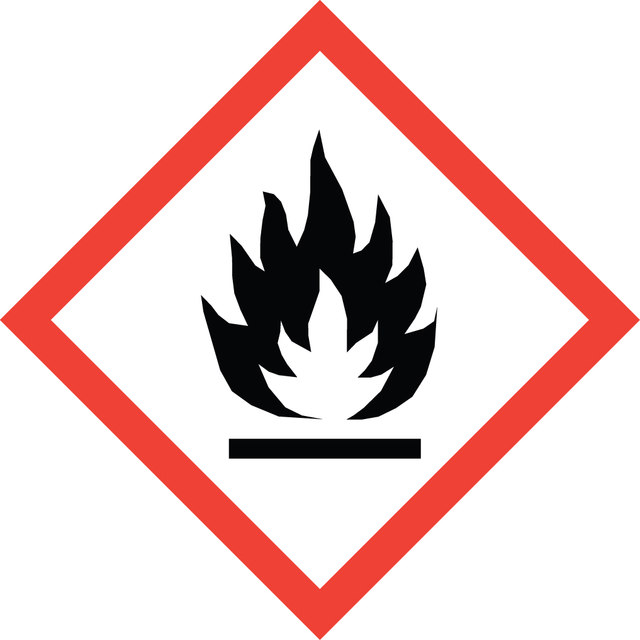
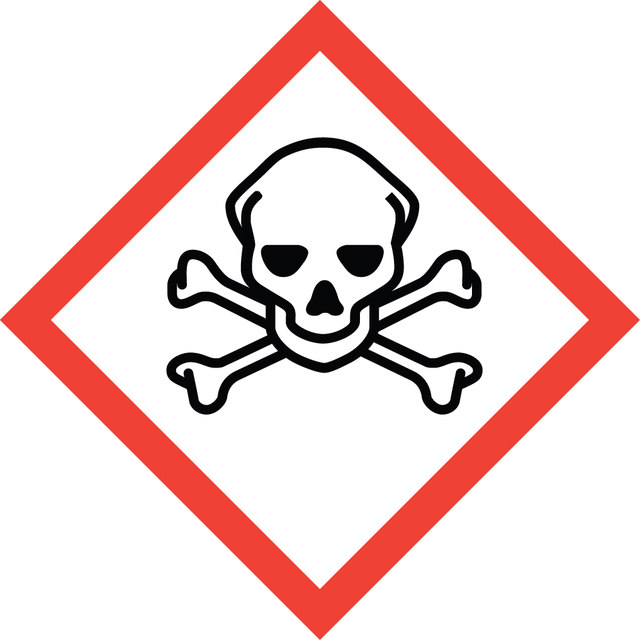
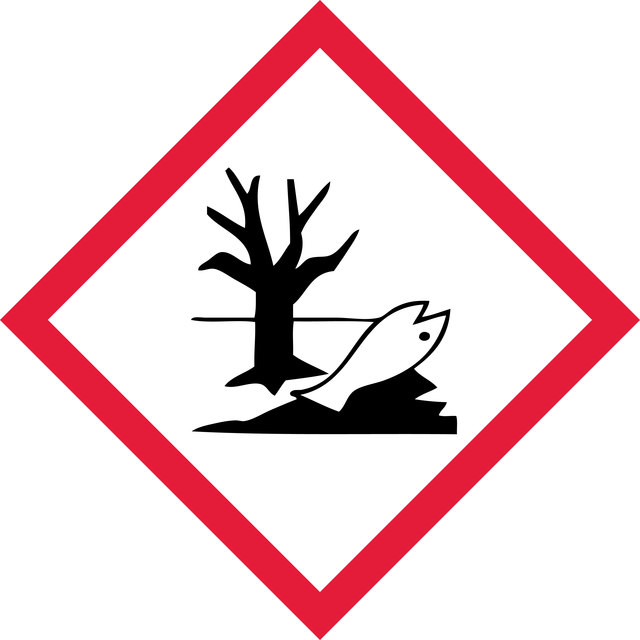
Acute Tox. 3 Dermal - Acute Tox. 3 Inhalation - Acute Tox. 3 Oral - Aquatic Acute 1 - Aquatic Chronic 1 - Carc. 2 - Eye Dam. 1 - Flam. Liq. 2 - Skin Corr. 1B - STOT SE 3 - Water-react 1

target_organs

Central nervous system, Respiratory system

supp_hazards

Storage Class

4.3 - Hazardous materials which set free flammable gases upon contact with water

wgk

WGK 3

flash_point_f

-4.0 °F

flash_point_c

-20 °C

Regulatory Information

危险化学品
This item has

Choose from one of the most recent versions:

Certificates of Analysis (COA)

Lot/Batch Number

Don't see the Right Version?

If you require a particular version, you can look up a specific certificate by the Lot or Batch number.

Already Own This Product?

Find documentation for the products that you have recently purchased in the Document Library.

Visit the Document Library

Radiolabeling of proteins by reductive alkylation with [14C]formaldehyde and sodium cyanoborohydride.
D Dottavio-Martin et al.
Analytical biochemistry, 87(2), 562-565 (1978-07-01)
Preparation of colloidal gold particles of various sizes using sodium borohydride and sodium cyanoborohydride.
R G DiScipio
Analytical biochemistry, 236(1), 168-170 (1996-04-05)
Sodium cyanoborohydride-a highly selective reducing agent for organic functional groups.
Clinton F.
Synthesis, 3, 135-146 (1975)
Selective deoxygenation of ketones and aldehydes including hindered systems with sodium cyanoborohydride.
Hutchins RO, et al.
Journal of the American Chemical Society, 95(11), 3662-3668 (1973)
Labeling of proteins by reductive methylation using sodium cyanoborohydride.
N Jentoft et al.
The Journal of biological chemistry, 254(11), 4359-4365 (1979-06-10)

Our team of scientists has experience in all areas of research including Life Science, Material Science, Chemical Synthesis, Chromatography, Analytical and many others.

Contact Technical Service