Sign In to View Organizational & Contract Pricing.
Select a Size
About This Item
Linear Formula:
(CH3)2AlCl
CAS Number:
Molecular Weight:
92.50
NACRES:
NA.22
PubChem Substance ID:
UNSPSC Code:
12352103
MDL number:
InChI
1S/2CH3.Al.ClH/h2*1H3;;1H/q;;+1;/p-1
SMILES string
C[Al](C)Cl
InChI key
JGHYBJVUQGTEEB-UHFFFAOYSA-M
form
liquid
concentration
1.0 M in hexanes
density
0.701 g/mL at 25 °C
General description
Dimethylaluminum chloride (Me2AlCl) is a mild Lewis acid and acts as a proton scavenger. It catalyzes living isobutylene polymerization. Exceptional chelating potential of Me2AlCl, and its companion Lewis acid MeAlCl2, for the chelate-organized carbonyl addition reactions has been investigated. It effectively promotes chelate-controlled aldol and related allylsilane additions.
Application
Dimethylaluminum chloride may be employed as catalyst for the ene reaction of aliphatic and aromatic aldehydes with alkenes having a disubstituted vinylic carbon.
signalword
Danger
target_organs
Central nervous system, Nervous system
Storage Class
4.2 - Pyrophoric and self-heating hazardous materials
wgk
WGK 3
flash_point_f
-9.4 °F
flash_point_c
-23 °C
Hazard Classifications
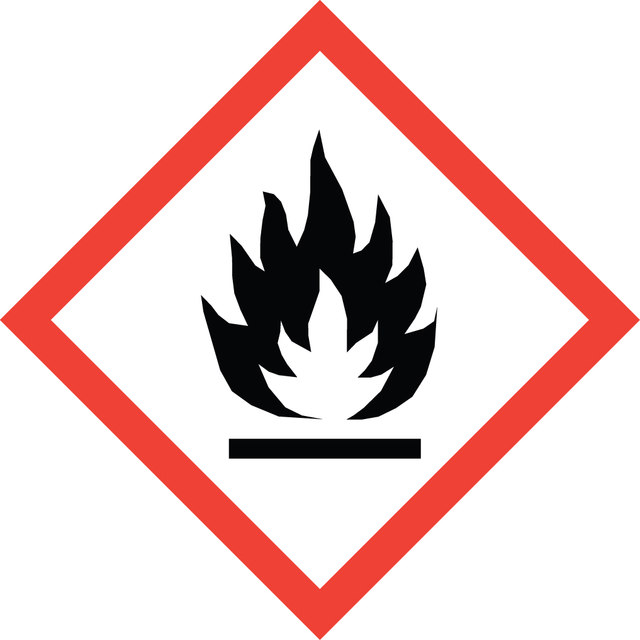
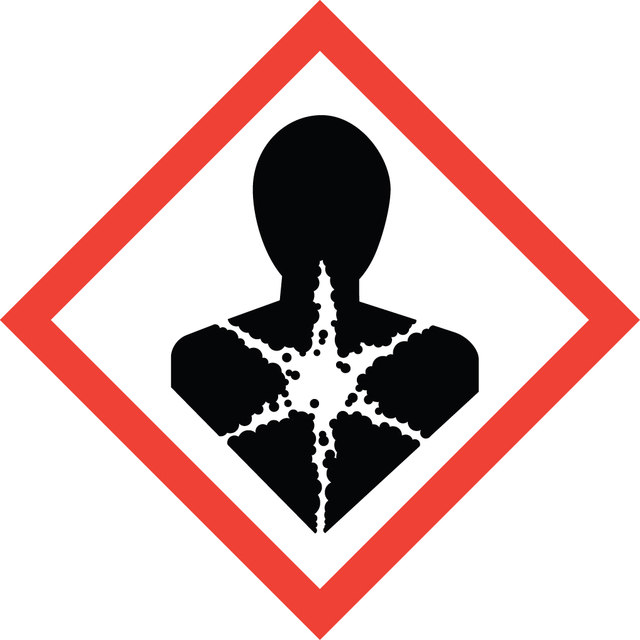
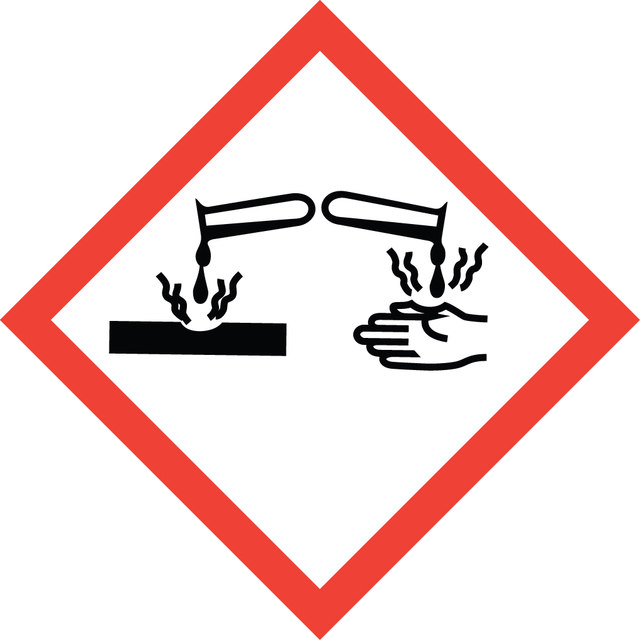
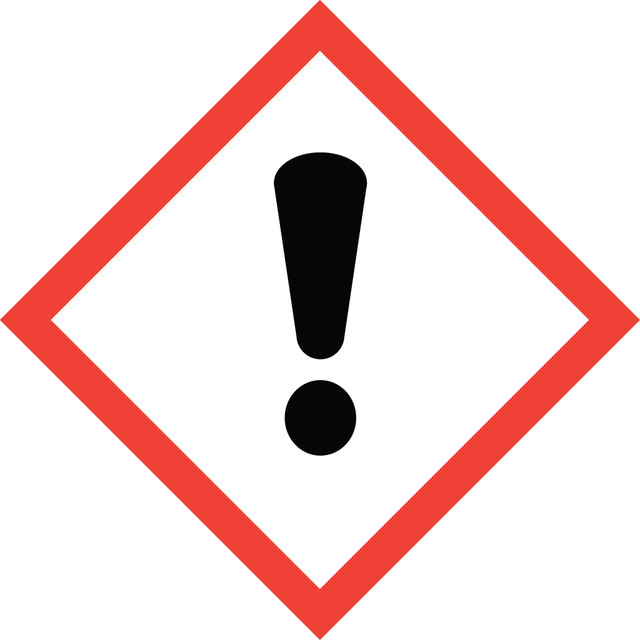
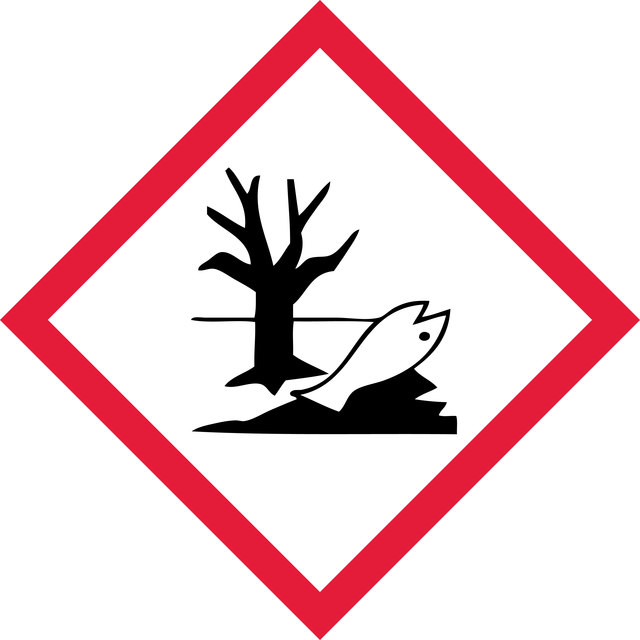
Aquatic Chronic 2 - Asp. Tox. 1 - Eye Dam. 1 - Flam. Liq. 2 - Pyr. Liq. 1 - Repr. 2 - Skin Corr. 1B - STOT RE 1 Inhalation - STOT SE 3 - Water-react. 1
Regulatory Information
新产品
This item has
Choose from one of the most recent versions:
Already Own This Product?
Find documentation for the products that you have recently purchased in the Document Library.
Dimethylaluminum chloride catalyzed ene reactions of aldehydes.
Snider BB, et al.
Journal of the American Chemical Society, 104(2), 555-563 (1982)
Dimethylaluminum chloride catalyzed living isobutylene polymerization.
Bahadur M, et al.
Macromolecules, 33(26), 9548-9552 (2000)
D A Evans et al.
Journal of the American Chemical Society, 123(44), 10840-10852 (2001-11-01)
A systematic investigation of the stereoselectivity in Lewis acid-promoted (Mukaiyama) aldol reactions of achiral unsubstituted enolsilanes and chiral beta-hydroxy aldehydes proceeding under conditions favoring chelation control is presented. Good stereocontrol can be realized for enolsilane aldol reactions of beta-alkoxy and
Our team of scientists has experience in all areas of research including Life Science, Material Science, Chemical Synthesis, Chromatography, Analytical and many others.
Contact Technical Service