Skip to Content
Merck
CN

202657

Arsenic

99.999% trace metals basis

Sign In to View Organizational & Contract Pricing.

Select a Size


About This Item

Empirical Formula (Hill Notation):
As
CAS Number:
Molecular Weight:
74.92
NACRES:
NA.23
PubChem Substance ID:
UNSPSC Code:
12141906
EC Number:
231-148-6
MDL number:
Technical Service
Need help? Our team of experienced scientists is here for you.
Let Us Assist
Technical Service
Need help? Our team of experienced scientists is here for you.
Let Us Assist

Product Name

Arsenic, 99.999% trace metals basis

InChI key

RQNWIZPPADIBDY-UHFFFAOYSA-N

InChI

1S/As

SMILES string

[As]

assay

99.999% trace metals basis

resistivity

33.3 μΩ-cm

bp

613 °C (lit.)

mp

817 °C (lit.)

density

5.727 g/mL at 25 °C (lit.)

Quality Level

Looking for similar products? Visit Product Comparison Guide

Application
Arsenic pieces may be used to prepare α-realgar (As4S4).

signalword

Danger

Hazard Classifications

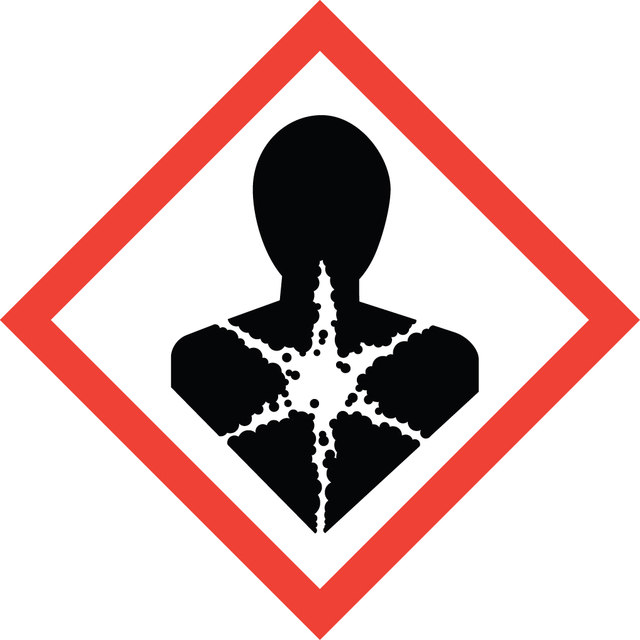
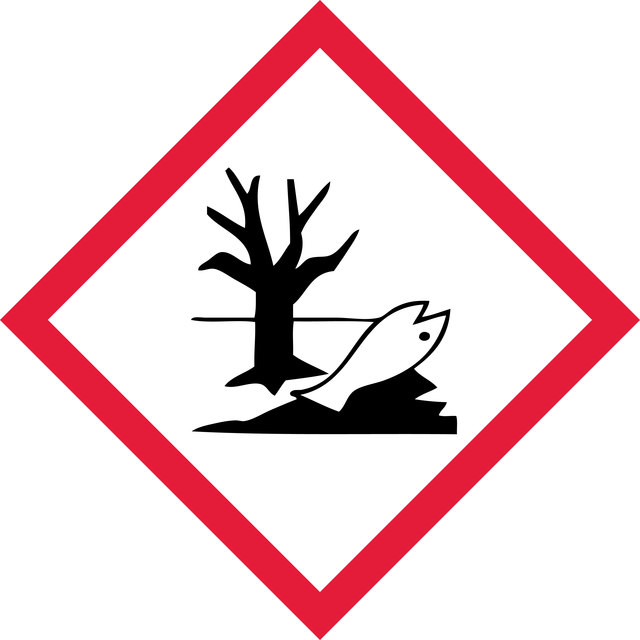
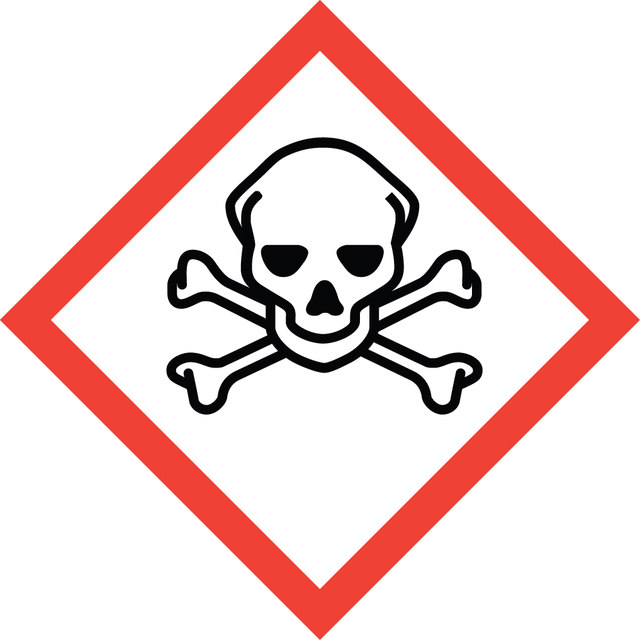
Acute Tox. 3 Inhalation - Acute Tox. 3 Oral - Aquatic Acute 1 - Aquatic Chronic 1 - Carc. 1A - Repr. 1A - STOT RE 1 Oral

target_organs

Respiratory organs,Cardio-vascular system,Gastro-intestinal system,Central nervous system,Nervous system

Storage Class

6.1A - Combustible acute toxic Cat. 1 and 2 / very toxic hazardous materials

wgk

WGK 3

flash_point_f

Not applicable

flash_point_c

Not applicable

ppe

Eyeshields, Faceshields, Gloves, type P2 (EN 143) respirator cartridges

Regulatory Information

危险化学品
This item has

Choose from one of the most recent versions:

Certificates of Analysis (COA)

Lot/Batch Number

Don't see the Right Version?

If you require a particular version, you can look up a specific certificate by the Lot or Batch number.

Already Own This Product?

Find documentation for the products that you have recently purchased in the Document Library.

Visit the Document Library

Valence and core-level binding energy shifts in realgar (As 4 S 4) and pararealgar (As 4 S 4) arsenic sulfides.
Bullen HA, et al.
Surface Science, 531(3), 319-328 (2003)
Lucia Cavalca et al.
Future microbiology, 8(6), 753-768 (2013-04-17)
Arsenic is present in many environments and is released by various natural processes and anthropogenic actions. Although arsenic is recognized to cause a wide range of adverse health effects in humans, diverse bacteria can metabolize it by detoxification and energy
M Azizur Rahman et al.
Aquatic toxicology (Amsterdam, Netherlands), 146, 212-219 (2013-12-11)
Arsenic (As) is extremely toxic to living organisms at high concentration. In aquatic systems, As exists in different chemical forms. The two major inorganic As (iAs) species are As(V), which is thermodynamically stable in oxic waters, and As(III), which is
Claes Bergqvist et al.
Environmental pollution (Barking, Essex : 1987), 184, 540-546 (2013-11-05)
The toxicity of arsenic (As) in the environment is controlled by its concentration, availability and speciation. The aims of the study were to evaluate the accumulation and speciation of As in carrot, lettuce and spinach cultivated in soils with various
Ilona Dudka et al.
Environment international, 68, 71-81 (2014-04-10)
Environmental metabonomics is the application of metabonomics to characterize the interactions of organisms with their environment. Metabolic profiling is an exciting addition to the armory of the epidemiologist for the discovery of new disease risk biomarkers and diagnostics. This work

Our team of scientists has experience in all areas of research including Life Science, Material Science, Chemical Synthesis, Chromatography, Analytical and many others.

Contact Technical Service