
184675

3-Methylstyrene
99%, contains 0.1% 3,5-di-tert-butylcatechol as inhibitor
Synonym(s):
3-Vinyltoluene
Sign In to View Organizational & Contract Pricing.
Select a Size
About This Item
Linear Formula:
CH3C6H4CH=CH2
CAS Number:
Molecular Weight:
118.18
UNSPSC Code:
12162002
NACRES:
NA.23
PubChem Substance ID:
EC Number:
202-889-2
Beilstein/REAXYS Number:
1304618
MDL number:
refractive index
n20/D 1.541 (lit.)
bp
170-171 °C (lit.)
mp
−82-−81 °C (lit.)
density
0.89 g/mL at 25 °C (lit.)
InChI key
JZHGRUMIRATHIU-UHFFFAOYSA-N
InChI
1S/C9H10/c1-3-9-6-4-5-8(2)7-9/h3-7H,1H2,2H3
SMILES string
Cc1cccc(C=C)c1
assay
99%
form
liquid
contains
0.1% 3,5-di-tert-butylcatechol as inhibitor
Quality Level
Related Categories
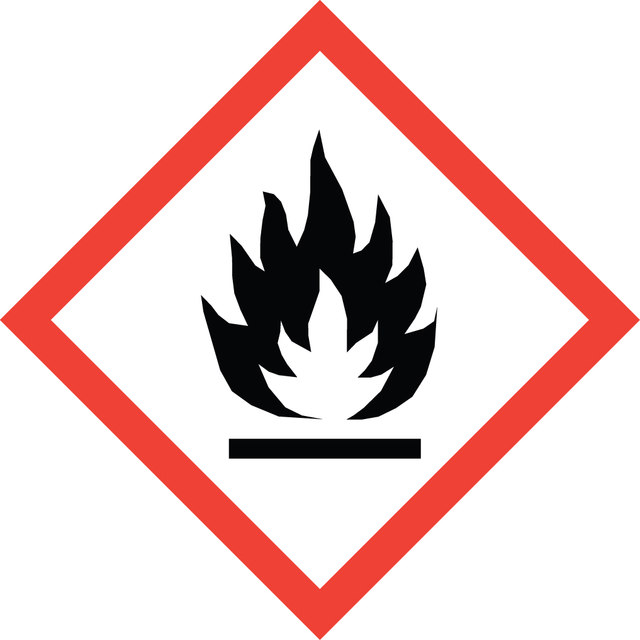
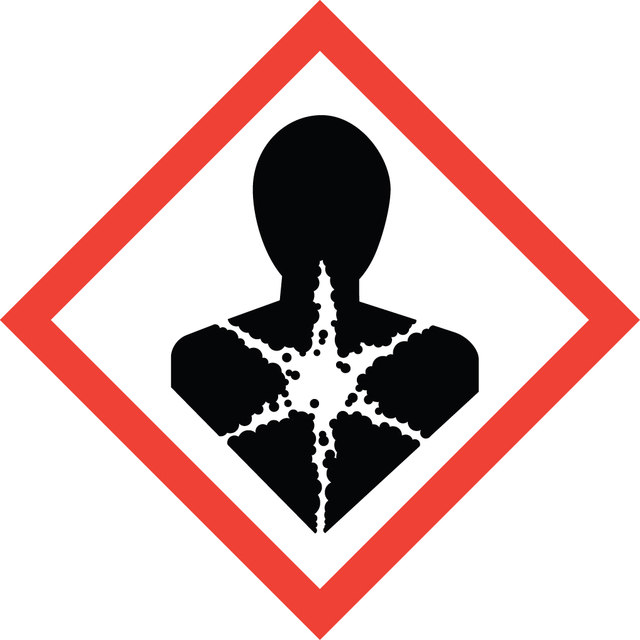
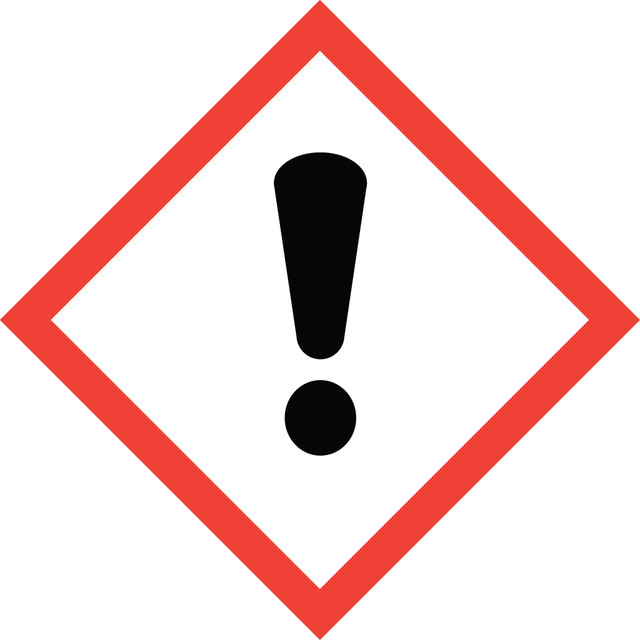
signalword
Danger
Hazard Classifications
Acute Tox. 4 Inhalation - Asp. Tox. 1 - Eye Irrit. 2 - Flam. Liq. 3 - Skin Irrit. 2 - STOT SE 3
target_organs
Respiratory system
Storage Class
3 - Flammable liquids
flash_point_f
123.8 °F - closed cup
flash_point_c
51 °C - closed cup
Regulatory Information
危险化学品
This item has
Choose from one of the most recent versions:
Already Own This Product?
Find documentation for the products that you have recently purchased in the Document Library.
Yasuhito Suzuki et al.
Forensic science international, 278, 228-239 (2017-08-02)
Various autopsy findings are used for the diagnosis of burning death, including inhalation injury, soot in the respiratory tract, vital reaction, blood carboxyhemoglobin (COHb), and blood cyanide. However, not all findings are necessarily complete, and autopsy diagnosis can be difficult
Our team of scientists has experience in all areas of research including Life Science, Material Science, Chemical Synthesis, Chromatography, Analytical and many others.
Contact Technical Service