
142670

Chloromethyl ethyl ether
95%
Synonym(s):
(Chloromethoxy)ethane, Ethoxychloromethane, Ethoxymethyl chloride, Ethyl chloromethyl ether
Select a Size
About This Item
InChI key
FCYRSDMGOLYDHL-UHFFFAOYSA-N
InChI
1S/C3H7ClO/c1-2-5-3-4/h2-3H2,1H3
SMILES string
CCOCCl
assay
95%
form
liquid
refractive index
n20/D 1.404 (lit.)
bp
82 °C (lit.)
density
1.019 g/mL at 25 °C (lit.)
functional group
chloro, ether
storage temp.
2-8°C
Quality Level
Related Categories
Application
- 6-Benzyl-1-(ethoxymethyl)-5-iodopyrimidine-2,4(1H,3H)-dione, a key intermediate in the preparation of MKC-442 analog.
- Acylation catalyst for alcohols named 1,3-bis-[(R)-1-(2-naphthyl)ethyl]imidazoliumchloride by reacting with glyoxal-bis-[(R)-1-(2-naphthyl)ethyl]imine.
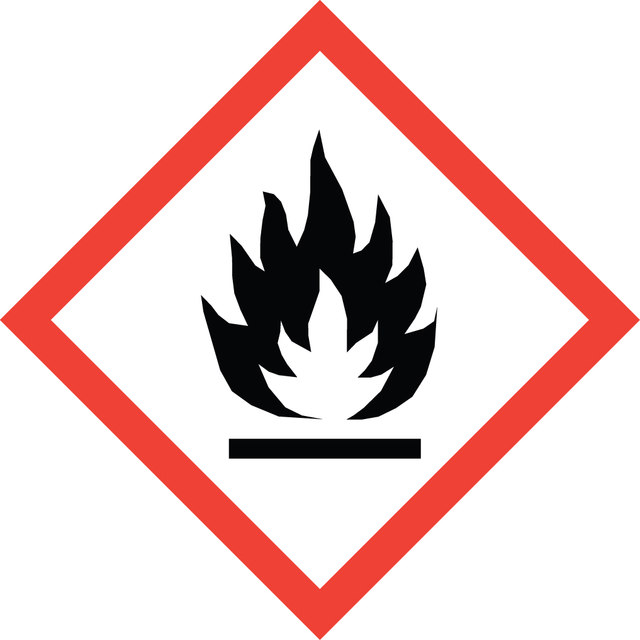


signalword
Danger
Hazard Classifications
Acute Tox. 4 Dermal - Acute Tox. 4 Inhalation - Acute Tox. 4 Oral - Carc. 2 - Eye Irrit. 2 - Flam. Liq. 2
Storage Class
3 - Flammable liquids
wgk
WGK 3
flash_point_f
66.2 °F - closed cup
flash_point_c
19 °C - closed cup
ppe
Eyeshields, Faceshields, Gloves, type ABEK (EN14387) respirator filter
Regulatory Information
Choose from one of the most recent versions:
Already Own This Product?
Find documentation for the products that you have recently purchased in the Document Library.
Our team of scientists has experience in all areas of research including Life Science, Material Science, Chemical Synthesis, Chromatography, Analytical and many others.
Contact Technical Service