Sign In to View Organizational & Contract Pricing
Select a Size
About This Item
Linear Formula:
CH3CH2COOCH3
CAS Number:
Molecular Weight:
88.11
Beilstein:
1737628
EC Number:
MDL number:
UNSPSC Code:
12352100
eCl@ss:
39022202
PubChem Substance ID:
NACRES:
NA.22
vapor density
3 (vs air)
Quality Level
vapor pressure
40 mmHg ( 11 °C)
85.3 mmHg ( 25 °C)
Assay
99%
autoignition temp.
876 °F
expl. lim.
13 %
refractive index
n20/D 1.376 (lit.)
bp
79 °C (lit.)
mp
−88 °C (lit.)
solubility
H2O: soluble 16 parts
alcohol: miscible
diethyl ether: miscible
density
0.915 g/mL at 25 °C (lit.)
functional group
ester
SMILES string
CCC(=O)OC
InChI
1S/C4H8O2/c1-3-4(5)6-2/h3H2,1-2H3
InChI key
RJUFJBKOKNCXHH-UHFFFAOYSA-N
Looking for similar products? Visit Product Comparison Guide
Related Categories
General description
Karl Fischer′s pyridine-free single solution is a reagent used for volumetric Karl Fischer titration, designed to determine the water content in various samples. This solution is free of pyridine, making it a safer and more environmentally friendly option compared to traditional Karl Fischer reagents. It ensures rapid titration with consistent and stable results, making it ideal for precise water analysis.
Methyl propionate is an efficient solvent for Porcine Pancreatic Lipase (PPL)-catalyzed transesterification reaction of various diols. It is commonly used in organic synthesis. It undergoes vapour-phase aldol condensation with formaldehyde to form methyl methacrylate.
Signal Word
Danger
Hazard Statements
Precautionary Statements
Hazard Classifications
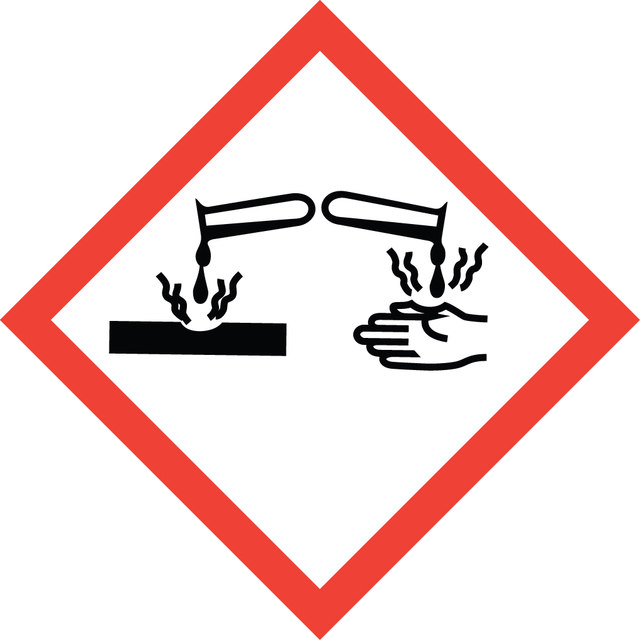
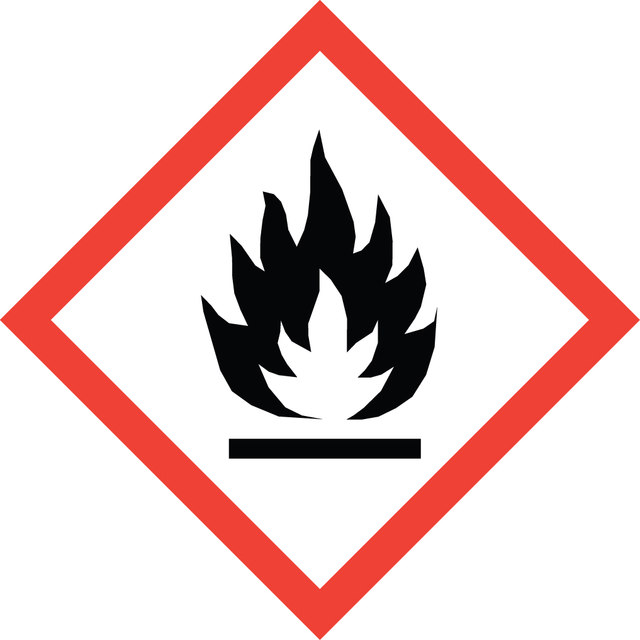
Acute Tox. 4 Inhalation - Eye Dam. 1 - Flam. Liq. 2
Storage Class Code
3 - Flammable liquids
WGK
WGK 1
Flash Point(F)
28.4 °F - closed cup
Flash Point(C)
-2 °C - closed cup
Personal Protective Equipment
dust mask type N95 (US), Eyeshields, Gloves
Regulatory Information
危险化学品
This item has
Choose from one of the most recent versions:
Already Own This Product?
Find documentation for the products that you have recently purchased in the Document Library.
PPL-catalyzed resolution of 1, 2-and 1, 3-diols in methyl propionate as solvent. An application of the tandem use of enzymes.
Janssen AJM and Zwanenburg B.
Tetrahedron, 47(35), 7409-7416 (1991)
Formation of methyl methacrylate by condensation of methyl propionate with formaldehyde over silica-supported cesium hydroxide catalysts.
Ai M.
Applied Catalysis A: General, 288(1), 211-215 (2005)
Sang-Ryong Lee et al.
The Science of the total environment, 610-611, 992-996 (2017-08-26)
This report proposes a new approach to evaluate the odour nuisance of cattle manure samples from three different cattle breeds (i.e., native cattle, beef cattle, and milk cow) by means of quantification and speciation of volatile fatty acids (VFAs). To
Jonathan Slaughter et al.
Chemistry (Weinheim an der Bergstrasse, Germany), 23(1), 167-175 (2016-10-30)
In investigating and seeking to mimic the reactivity of trimethylaluminium (TMA) with synthetic, ester-based lubricating oils, the reaction of methyl propionate 1 was explored with 1, 2 and 3 equivalents of the organoaluminium reagent. Spectroscopic analysis points to the formation of
Ileana M Pazos et al.
Angewandte Chemie (International ed. in English), 53(24), 6080-6084 (2014-05-03)
The ability to quantify the local electrostatic environment of proteins and protein/peptide assemblies is key to gaining a microscopic understanding of many biological interactions and processes. Herein, we show that the ester carbonyl stretching vibration of two non-natural amino acids
Our team of scientists has experience in all areas of research including Life Science, Material Science, Chemical Synthesis, Chromatography, Analytical and many others.
Contact Technical Service