
SML0800

利莫那班 盐酸盐
≥98% (HPLC), powder, cannabinoid type-I receptor antagonist
别名:
5-(4-Chlorophenyl)-1-(2,4-dichlorophenyl)-4-methyl-N-1-piperidinyl-1H-pyrazole-3-carboxamide hydrochloride, SR-141716, SR-141716A, SR141716, SR141716A
登录并加购,请在购物车里查看协议价、货期和发货地。
选择规格
变更视图
关于此项目
经验公式(希尔记法):
C22H21Cl3N4O · HCl
化学文摘社编号:
分子量:
500.25
UNSPSC Code:
12352200
PubChem Substance ID:
NACRES:
NA.77
Assay:
≥98% (HPLC)
Form:
powder
Storage condition:
desiccated
产品名称
利莫那班 盐酸盐, ≥98% (HPLC)
Quality Segment
assay
≥98% (HPLC)
form
powder
storage condition
desiccated
color
white to beige
solubility
DMSO: 20 mg/mL, clear
storage temp.
2-8°C
SMILES string
CC1=C(C2=CC=C(Cl)C=C2)N(C3=CC=C(Cl)C=C3Cl)N=C1C(NN4CCCCC4)=O.Cl
InChI
1S/C22H21Cl3N4O.ClH/c1-14-20(22(30)27-28-11-3-2-4-12-28)26-29(19-10-9-17(24)13-18(19)25)21(14)15-5-7-16(23)8-6-15;/h5-10,13H,2-4,11-12H2,1H3,(H,27,30);1H
InChI key
REOYOKXLUFHOBV-UHFFFAOYSA-N
Gene Information
human ... CNR1(1268)
Application
Rimonabant hydrochloride has been used as an antagonist of cannabinoid 1 (CB1) receptor:
- to study its effects on protein synthesis in C2C12 myotubes
- to analyze its effects on human astroglia
- in combination with methanandamide (mAEA) to study its effects on murine gastric vagal afferent mechanosensitivity
Biochem/physiol Actions
Rimonabant acts as a mycobacterial membrane protein large 3 (MMPL3) inhibitor. Rimonabant hydrochloride exhibits therapeutic activity against weight reduction and smoking cessation.
Rimonabant hydrochloride (SR-141716A) is a potent and selective CB1 cannabinoid inverse agonist/antagonist with a Ki of 1.6 nM, minimal affinity for CB2, and and some GPR55 agonist activity. Rimonabant was developed as an anti-obesity drug because of its appetite suppressant activity, but was taken off the market because of side effects of depression and anxiety.
Rimonabant hydrochloride (SR-141716A) is a potent and selecvtive CB1 cannabinoid inverse agonist/antagonist with some GPR55 agonist activity and an appetite suppressant.
Features and Benefits
This compound is featured on the Cannabinoid Receptors and Cannabinoid Receptors pages of the Handbook of Receptor Classification and Signal Transduction. To browse other handbook pages, click here.
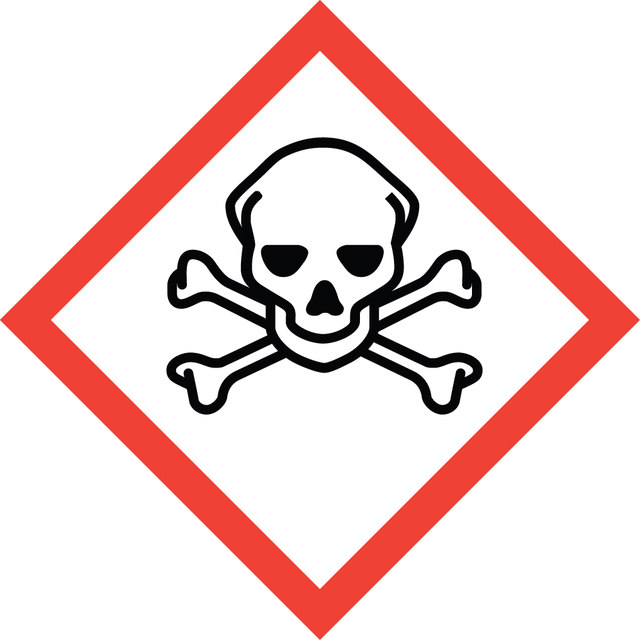
signalword
Danger
hcodes
Hazard Classifications
Acute Tox. 3 Oral - Eye Irrit. 2
存储类别
6.1C - Combustible acute toxic Cat.3 / toxic compounds or compounds which causing chronic effects
wgk
WGK 3
flash_point_f
Not applicable
flash_point_c
Not applicable