
D4505

5,5-二苯基海因 钠盐
≥99%
别名:
5,5-联苯基乙内酰脲, 苯妥英
并加购,请在购物车里查看协议价、货期和发货地。
选择规格
变更视图
关于此项目
线性分子式:
C15H11N2O2Na
化学文摘社编号:
分子量:
274.25
NACRES:
NA.77
PubChem Substance ID:
UNSPSC Code:
12352200
EC Number:
211-148-2
MDL number:
Assay:
≥99%
Form:
powder
Quality Segment
assay
≥99%
form
powder
solubility
aqueous base: soluble
SMILES string
[Na]N1C(=O)NC(C1=O)(c2ccccc2)c3ccccc3
InChI
1S/C15H12N2O2.Na/c18-13-15(17-14(19)16-13,11-7-3-1-4-8-11)12-9-5-2-6-10-12;/h1-10H,(H2,16,17,18,19);/q;+1/p-1
InChI key
FJPYVLNWWICYDW-UHFFFAOYSA-M
Gene Information
human ... CNR1(1268), CNR2(1269), CYP2C9(1559), SCN10A(6336), SCN11A(11280), SCN1A(6323), SCN2A(6326), SCN3A(6328), SCN4A(6329), SCN5A(6331), SCN7A(6332), SCN8A(6334), SCN9A(6335)
rat ... Faah(29347), Scn1a(81574), Scnn1g(24768), Slc6a1(79212)
General description
5,5-Diphenylhydantoin sodium salt is a derivative of phenytoin. 5,5-Diphenylhydantoin is used for treating epilepsy and has antiepileptic activity. It functions by blocking the sodium channels and modulates excitation of neurons. However, the side effects include hypertrichosis and overgrowth of gum tissue around the teeth. It promotes proliferation of the neural stem cells by modulating growth factors. Diphenylhydantoin is toxic and induces apoptosis in cultured cerebellar granule neurons.
Application
5,5-Diphenylhydantoin sodium salt has been used:
- in the cream preparation for treating burn wounds
- in seizure behavior testing as an anticonvulsant in Drosophila
- in in vivo embryo toxicity test in mouse embryonic stem cells
Biochem/physiol Actions
减少癫痫大发作的发生率;可能通过 Na+、K+ 和 Ca2+ 通道的影响而稳定可兴奋膜。
Reduces incidence of grand mal seizures; appears to stabilize excitable membranes.
Features and Benefits
This compound is a featured product for ADME Tox research. Click here to discover more featured ADME Tox products. Learn more about bioactive small molecules for other areas of research at sigma.com/discover-bsm.

signalword
Warning
hcodes
Hazard Classifications
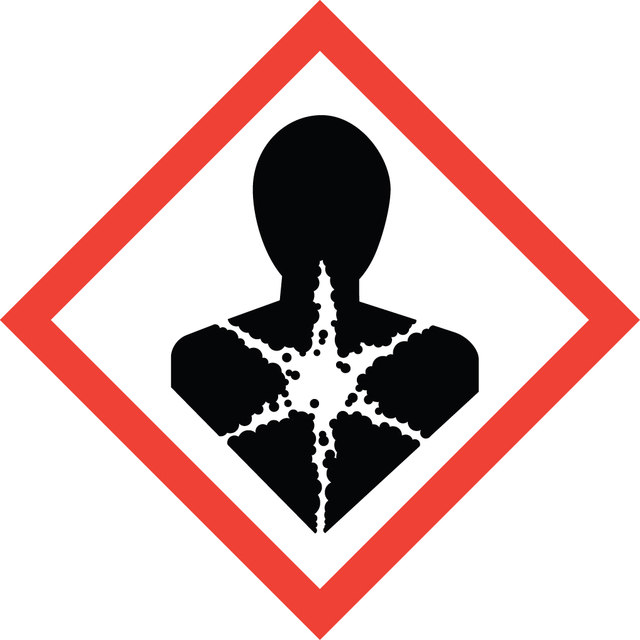
Acute Tox. 4 Oral - Repr. 2 - Skin Sens. 1
存储类别
11 - Combustible Solids
wgk
WGK 3
flash_point_f
Not applicable
flash_point_c
Not applicable
ppe
Eyeshields, Faceshields, Gloves, type P3 (EN 143) respirator cartridges