
AB758

Anti-Collagen Type I (COL1A1) Antibody
CHEMICON®, goat polyclonal
别名:
Anti-CAFYD, Anti-EDSARTH1, Anti-EDSC, Anti-OI1, Anti-OI2, Anti-OI3, Anti-OI4
登录并加购,请在购物车里查看协议价、货期和发货地。
选择规格
变更视图
关于此项目
UNSPSC Code:
12352203
eCl@ss:
32160702
NACRES:
NA.41
Clone:
polyclonal
Species reactivity:
human, bovine
Application:
DB, ELISA, ICC, IHC, WB
Citations:
30
产品名称
Anti-Collagen Type I Antibody, Chemicon®, from goat
biological source
goat
Quality Segment
antibody form
affinity purified immunoglobulin
antibody product type
primary antibodies
clone
polyclonal
purified by
affinity chromatography
species reactivity
human, bovine
manufacturer/tradename
Chemicon®
technique(s)
ELISA: suitable, dot blot: suitable, immunocytochemistry: suitable, immunohistochemistry: suitable, western blot: suitable
suitability
not suitable for immunohistochemistry (Paraffin)
NCBI accession no.
UniProt accession no.
shipped in
wet ice
target post-translational modification
unmodified
Gene Information
human ... COL1A1(1277)
Immunogen
Human placental collagen type I isolated by limited pepsin digestion and selective salt precipitation.
Application
Anti-Collagen Type I Antibody is an antibody against Collagen Type I for use in DB, ELISA, IC, IH & WB.
Dot and slot blotting: 1:100-1:500
ELISA: 1:50-1:100
Indirect immunohistochemistry (frozen sections only): 1:10-1:20
Indirect immunocytochemistry: 1:10-1:20
Antibody reacts with human collagen I in reduced westerns with supernatant samples from serum-free cultures of human fibroblasts {LMF, personal communication}.
Not recommended for paraffin tissue sections.
Optimal working dilutions must be determined by the end user.
ELISA: 1:50-1:100
Indirect immunohistochemistry (frozen sections only): 1:10-1:20
Indirect immunocytochemistry: 1:10-1:20
Antibody reacts with human collagen I in reduced westerns with supernatant samples from serum-free cultures of human fibroblasts {LMF, personal communication}.
Not recommended for paraffin tissue sections.
Optimal working dilutions must be determined by the end user.
Biochem/physiol Actions
Recognizes Human type I collagen as demonstrated by ELISA. Less than 10% cross reactivity with collagen types II, III, IV, V, and VI. May show reactivity to type I collagen from other species. AB758 has not been tested with other extracellular matrix proteins (e.g., laminin, fibronectin).
Physical form
Affinity Purified immunoglobulin. Prior to purification the antisera was adsorbed against collagen types II, III, IV, V and VI immobilized on Sepharose™ 4B.. Liquid in 0.5 mL of 100 mM borate buffered saline, pH 8.0, no preservatives.
Other Notes
Concentration: Please refer to the Certificate of Analysis for the lot-specific concentration.
Legal Information
CHEMICON is a registered trademark of Merck KGaA, Darmstadt, Germany
Sepharose is a trademark of Cytiva
Still not finding the right product?
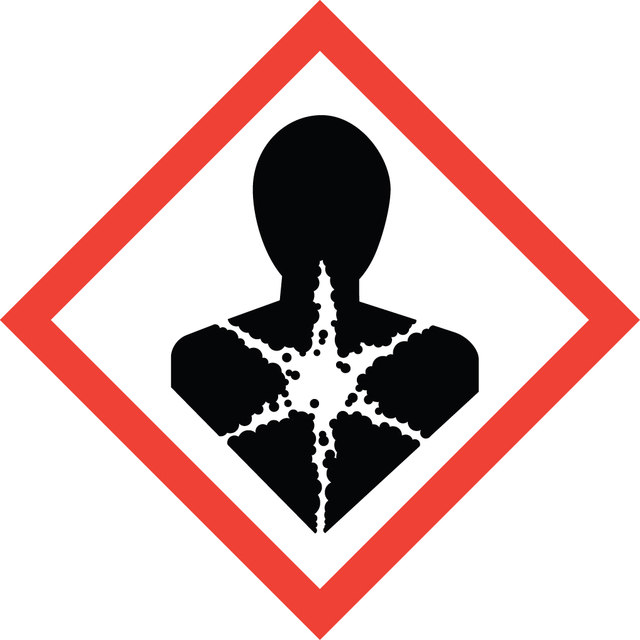
signalword
Danger
hcodes
Hazard Classifications
Repr. 1B
存储类别
6.1D - Non-combustible acute toxic Cat.3 / toxic hazardous materials or hazardous materials causing chronic effects
wgk
nwg
flash_point_f
Not applicable
flash_point_c
Not applicable