
T8656

Thiourea
ACS reagent grade, ≥99.0%
Synonym(s):
Sulfourea, Thiocarbamide
Sign In to View Organizational & Contract Pricing.
Select a Size
Change View
About This Item
Linear Formula:
NH2CSNH2
CAS Number:
Molecular Weight:
76.12
NACRES:
NA.21
PubChem Substance ID:
UNSPSC Code:
12352100
EC Number:
200-543-5
MDL number:
Beilstein/REAXYS Number:
605327
Assay:
≥99.0%
Product Name
Thiourea, ACS reagent, ≥99.0%
grade
ACS reagent
Quality Level
assay
≥99.0%
ign. residue
≤0.1% (as SO4)
loss
≤0.5% loss on drying, 105°C, 2h
mp
170-176 °C (lit.), 174-177 °C
solubility
H2O: passes test
functional group
amine, thiourea
SMILES string
NC(N)=S
InChI
1S/CH4N2S/c2-1(3)4/h(H4,2,3,4)
InChI key
UMGDCJDMYOKAJW-UHFFFAOYSA-N
Gene Information
mouse ... Ephx2(13850)
General description
Thiourea is an analogue of urea containing sulphur.
Application
Thiourea has been used:
- as a component of lysis buffer for liver tissue homogenization
- in 2-D sample buffer for two-dimensional in-gel protein tyrosine phosphatases (PTP) assay
- in rehydration buffer for protein extraction
Chaotropic agent; strong denaturant. Increases solubility and recovery of proteins
Biochem/physiol Actions
Thiourea is a free radical scavenger of the peroxide radical. It was shown to inhibit lipid peroxidation and ultraviolet (UV)-induced crosslinking of collagen. Bud dormancy in plants can be inhibited by thiourea which is used as a growth stimulator. It is also known to be used in the treatment of hyperthyroidism.
Still not finding the right product?
Explore all of our products under Thiourea


signalword
Warning
hcodes
Hazard Classifications
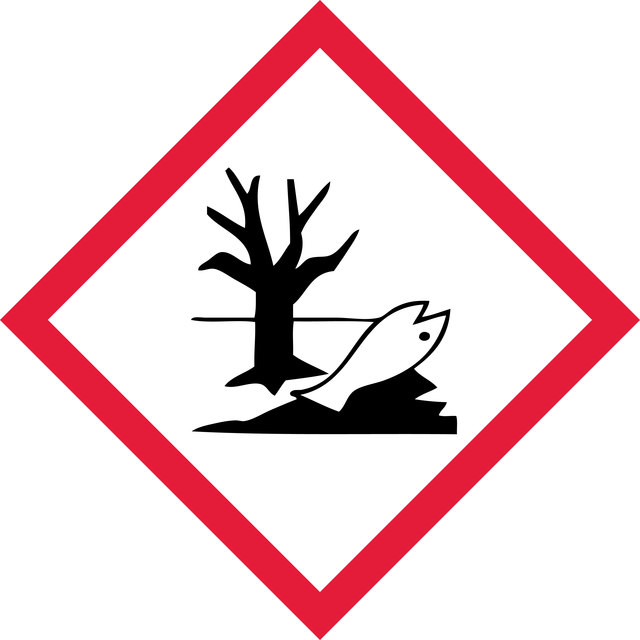
Acute Tox. 4 Oral - Aquatic Chronic 2 - Carc. 2 - Repr. 2
Storage Class
11 - Combustible Solids
wgk
WGK 3
flash_point_f
Not applicable
flash_point_c
Not applicable
ppe
Eyeshields, Faceshields, Gloves, type P3 (EN 143) respirator cartridges
Regulatory Information
危险化学品
This item has
Choose from one of the most recent versions:
Already Own This Product?
Find documentation for the products that you have recently purchased in the Document Library.
Effect of copper nanoparticles exposure in the physiology of the common carp (Cyprinus carpio): Biochemical, histological and proteomic approaches
Gupta YR, et al.
Aquaculture and Fisheries, 1(2), 15-23 (2016)
Investigation of protein-tyrosine phosphatases by in-gel assays.
Markova B, et al.
Methods, 35(1), 22-27 (2005)
Mechanism of the reduction of methylene blue by thiourea in aqueous acidic medium
Osunlaja AA
International Journal of ChemTech Research, 4(2), 609-617 (2012)
Global Trade Item Number
| SKU | GTIN |
|---|---|
| T8656-100G | 04061837379499 |
| T8656-50G | 04061837379512 |
| T8656-500G | 04061837379505 |